

Which Traditional Chinese Elements Are Trending in Today’s Global Fashion Scene?
Fashion is turning its attention to the East, embracing heritage crafts. Designers are now focusing on refined, culturally rich designs. You see mandarin collars, qipao lines, and cheongsam buttons paired with modern tailoring and sneakers.

At Shanghai Fashion Week, street style is evolving. Layered skirts, silk blouses, and sculpted knits blend history with comfort.
Online, Weibo, Douyin, and Xiaohongshu are turning discovery into sales. Youth culture is adding excitement with guochao pride and neo-Chinese styles.
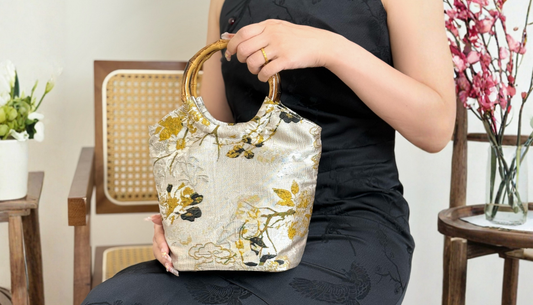
Accessories are telling a story at a glance. Chinese-inspired accessories, like jade tones and bamboo handles, are paired with clean lines. Brands are finding success with handbags that blend heritage with modern utility.
New Chinese Style on Global Runways: From Shanghai Fashion Week to Paris
Recently, shows in Shanghai to Paris have shown a quieter vibe. Designers mix old heritage with today's style, creating modern oriental fashion. They use precise cuts and comfort, making traditional motifs fit today's life.

Modernizing heritage: mandarin collars, qipao lines, and silk-gold embroidery
Mandarin collars are now in clean blazers, and qipao lines guide slit and seam shapes. Silk-gold embroidery adds a subtle shine to monochrome suits. Many brands use ink-inspired fashion in soft colors, making designs feel like brushwork.
These changes focus on movement. Dresses and knits are streamlined, and coats frame skirts. The look is polished yet personal, blending east-meets-west fashion style with restraint.
East-meets-West fashion style gaining acceptance with global audiences
From runways to stores, the message is clear: structure meets softness. Heritage meets function. Mandarin collars and silk-gold embroidery are in daywear, and ink-inspired fashion colors are easy to style. This east-meets-west fashion style is now seen as global.
As feedback grows, so does the reach of these styles. Celebrities, editorials, and capsule collections help spread these looks. They travel across seasons and cities.
Street style shifts in Shanghai: softer, layered femininity with historical nods
In Shanghai, near the Suzhou River, you see softer, layered looks. Cardigans, skirts, and Mary Janes show a new take on femininity. White tights, lace, and bows echo runway ideas in a natural way.
Stylists say it's about layering and clean lines, not just symbols. With ink-inspired fashion colors and silk-gold embroidery, the look is confident and current. It's a grounded path for modern oriental fashion in cities worldwide.
Guochao and Neo-Chinese Aesthetics Reshaping Cultural Fashion Trends
Guochao now means moving from hype to heritage. Designers focus on craft, color, and shape. They make these trends clear to people worldwide while keeping their roots.

Traditional Chinese motifs in fashion: knot buttons, ink-inspired fashion, pan knot detail
Modern fashion uses traditional Chinese motifs in new ways. Knot buttons from qipao styles are now on blazers and dresses. The pan knot detail is used on capes and cardigans.
Designers also use ink-inspired fashion colors like charcoal, jade, and bone. These colors are paired with crisp lines. The result is fresh and not just costume-like.
Youth pride and revival: hanfu rentals, national trend narratives, and cultural confidence
Young people are leading the way in fashion. Hanfu rentals in places like Xi’an and Suzhou make trying out styles easy. This turns festivals and museum visits into fashion labs.
Platforms like the Yu Prize help designers get noticed worldwide. This keeps the momentum going. These stories make fashion trends a part of everyday life, not just on runways.
Gender-fluid influence: mengmei style and the blurring of masculine/feminine codes
Mengmei style mixes up cut and proportion. This leads to gender-fluid fashion China. Oversized blazers, sheer layers, and soft suits are now for both men and women.
Public figures like Wan Qian show how neutral tailoring can be strong and graceful. Retail data shows people want lace, mesh, and animal prints in new ways. This bridges the gap between old and new.
Chinese traditional craftsmanship handbags, Chinese-inspired accessories
Handbags are now a way to carry heritage every day. Chinese traditional craftsmanship handbags and accessories bring high-quality details to everyday items. Brands focus on touch, stitch, and structure, making culture portable.
Handmade Chinese embroidery bags and silk-gold embroidery detailing
Handmade Chinese embroidery bags feature tight stitches and subtle relief. The silk-gold embroidery adds a touch of luxury, inspired by Guo Pei's designs. These bags are light yet rich in detail.
JILI Studio combines soft designs with precise craftsmanship. Their handcrafted bags blend texture and simplicity, making them perfect for daily use.
Bamboo-handle handbags and bamboo handle design as oriental fashion elements
Bamboo-handle handbags use a strong yet light material. The bamboo design adds a natural touch and a comfortable grip. They pair well with clean leather and bold colors.
These bags come with simple closures, making them both timeless and practical for city living.
Sustainable artisan bags: locally crafted, low-impact materials, and longevity
Sustainable bags focus on local materials and eco-friendly fibers. They use durable linings and strong seams for long-lasting use.
JILI Studio supports this approach with careful material selection and modular designs. Their bags are both stylish and sustainable.
Handcrafted designer bags in modern oriental fashion for global consumers
Designers worldwide seek items with a story and skill. Chinese traditional craftsmanship handbags offer just that. They blend modern style with traditional roots.
As these bags gain popularity, brands like JILI Studio offer a mix of sustainability and elegance. Their bags feature smart designs and durable materials.
How Social Media and E-commerce Accelerate Modern Oriental Fashion
In China, social commerce has changed how we find and buy fashion. Platforms turn trends into sales quickly. Now, modern oriental styles can go from video to wardrobe in minutes.
This fusion of media and retail makes buying easier. It also helps designers and retailers see what works best. They learn about fabrics, fits, and styles in real time.
China’s platforms as trend engines: Douyin, Weibo, Xiaohongshu
Douyin, Weibo, and Xiaohongshu lead fashion trends. They share clips, notes, and reviews that guide shoppers. Bilibili adds deep culture, and WeChat makes shopping easy with mini-program stores.
These platforms help spread Neo-Chinese aesthetics fast. Short videos share styling tips, and Xiaohongshu tracks fit, fabric, and price. This creates a living archive of fashion trends in China.
Livestream-to-checkout: SHFW’s digital shift and direct-to-consumer runway sales
Livestream shopping at SHFW combines launch, hype, and sales in one show. Virtual shows direct viewers to limited drops and pre-orders. Runway moments turn into instant sales with clear calls to action.
Alibaba’s integrated cart and fulfillment keep sales momentum high. This turns backstage buzz into measurable sales. Accessories and Neo-Chinese details get special attention, letting shoppers judge quality in real time.
KOL power: collaborations that convert views into record luxury sales
KOL collaborations in China link storytelling with scale. Creators style qipao lines with sneakers and pair bamboo-handle bags with blazers. This offers credible, repeatable looks.
These collaborations push items into hot lists and seed street style overnight. Viewer trust and timed incentives drive quick add-to-cart, keeping momentum long after the stream ends.
Data-backed shifts: rising searches for gender-fluid looks and category breakouts
Data shows sharp movement in fashion trends in China. Oversized blazers for women, lace and sheer for men, and animal prints are gaining traction. Search and save behavior maps how codes blur across categories.
“Tingquan” advice threads turn comments into crowd styling, accelerating fit testing and reducing returns. As signals compound, brands refine assortments in days, not seasons. This ensures modern oriental pieces find the right audience fast.
- Discovery-to-purchase on one screen fuels faster adoption.
- Creator edits translate heritage details into daily wear.
- Real-time data trims risk and amplifies winning styles.
Design Integrity and Cultural Literacy: Avoiding Homogenization
As New Chinese Style grows from Shanghai to New York, brand teams face a big challenge. They must keep cultural literacy in fashion alive while avoiding design homogenization. This means carefully reading sources and giving credit where it's due, not just copying designs.
Designers must understand the history behind each piece. They look at patterns, cuts, and how items are used. This way, they keep the essence of the design and build trust worldwide.
Starting with the garment's code is key. Knot buttons show function and style; mandarin collars frame the face and carry status. Regional embroidery tells stories in thread. Working with Suzhou embroiderers or Cantonese bead artisans adds authenticity.
Cultural literacy in fashion means understanding where designs come from. It's about knowing who keeps traditions alive and how they fit in today's wardrobes. This way, Chinese elements are seen as living designs, not costumes.
The goal is not to limit but to clarify. When a jacket combines Song-era collar geometry with modern tailoring, it feels new. This clarity keeps the east-meets-west fashion style exciting and unique.
Where Sustainability Meets Tradition: The Rise of Eco-conscious Craft
China's fashion scene is now all about materials and their stories. A 26% increase in linen for women in Spring 2024 shows a growing love for natural fibers.
Eco-friendly craftsmanship is becoming more popular. It helps artisans, cuts down on waste, and makes modern oriental fashion more appealing. This is great for U.S. shoppers who value where their clothes come from and how they're made.
Materials and techniques are key. Silk and bamboo add a special touch, while embroidery and pan knots bring history to the present. JILI Studio shows how to mix simple designs with responsible materials and craftsmanship.
These bags are built to last and easy to fix. They fit well in small wardrobes and can be worn across seasons. This approach reduces waste and keeps fashion stylish and sustainable.
This new standard in fashion is all about quality, clear origins, and lasting value. The pride in "Made in China" is growing. Eco-friendly craftsmanship offers a path to luxury that's both responsible and authentic. For U.S. shoppers, it means bags and accessories that honor tradition while meeting today's needs, one piece at a time.
FAQ
Which Traditional Chinese elements are trending in today’s global fashion scene?
Designers are bringing back mandarin collars, cheongsam buttons, and qipao lines. They pair these with detailed embroideries and silk-gold work. You'll see knot buttons, pan knot detail, and calligraphy touches in fashion.